 Leo
Leo
New · 2026新书 · 2026
Taming the Intelligence驾驭智能
Chat, Prompt, Workflow, Constitution — A History of Learning to Work with AI对话、提示、工作流、宪法——一部学会与 AI 协作的历史
A timeline-driven history of learning to work with AI — from the night ChatGPT launched to autonomous workflows that run a business while their creator sleeps. Four eras, four rungs on one ladder: Chat, Prompt, Workflow, Constitution.一部以时间线展开的人机协作史——从 ChatGPT 上线的那一夜,到能在创造者熟睡时独自运营业务的自主工作流。四个时代,同一架阶梯的四级刻度:对话、提示、工作流、宪法。
Overview概述
About the Book关于本书
On a Tuesday evening in February 2026, a machine wrote a video script, generated thirty-five images to illustrate it, narrated it in a cloned voice, edited a fifteen-minute video, and published it to five platforms — all while its creator was asleep. The first thing the pipeline ever made entirely on its own became the most successful thing he had ever published.2026 年 2 月的一个普通周二夜晚,一台机器独立写好了视频脚本,生成三十五张配图,用克隆声线念出旁白,剪成十五分钟视频,分发到五个平台——而这一切发生时,它的创造者早已入梦。流水线第一次完全自主跑出的成品,恰好成了他发布过最成功的作品。
The road to that night was nearly four years long — and it is not only one person's story. Between November 2022 and mid-2026, millions climbed the same ladder: from typing a question into ChatGPT and marveling at the answer, to designing autonomous systems that run businesses while their owners dream. The rungs have names: Chat, Prompt, Workflow, Constitution. Each felt like a summit. Each turned out to be a basecamp.通往那一夜的路走了将近四年——而这并非一个人的故事。从 2022 年 11 月到 2026 年中,数百万人沿着同一架阶梯向上攀爬:起点是在 ChatGPT 对话框里敲下问题、对回答惊叹不已,终点则是设计出能在主人熟睡时自主运转的商业系统。这架阶梯有四级刻度:对话、提示、工作流、宪法。每登上一级都以为抵达峰顶,事后才发现不过是下一段攀登的大本营。
This book traces that climb. It is a history, a technical manual, and a practitioner's confession rolled into one. The history is real — built from the funding rounds, the firings, the open-source leaks, the lawsuits, and the tweets that shaped the AI era. The technical material is concrete — built from codebases you can inspect on GitHub. And the confession is the author's own: an angel investor with zero engineering background who vibe-coded his way into running multiple autonomous AI pipelines.本书记录了这场攀登。它兼具断代史、技术手册与实战自白三重属性。历史部分绝非虚构——由融资、裁员、开源泄露、诉讼与推文交织而成,勾勒出 AI 时代的真实轮廓。技术部分拒绝空谈——所有代码均可在 GitHub 查验。至于自白,则是作者本人的坦诚交代:一个毫无工程背景的天使投资人,凭直觉与 AI 协作编程,硬是跑通了多条自主 AI 流水线。
Argument核心论点
What This Book Argues这本书主张什么
Working with AI evolved through four eras — Chat, Prompt, Workflow, Constitution — and every one of them felt like a summit before it became a basecamp.人机协作经历了四个时代——对话、提示、工作流、宪法——每一个时代在当时都像是峰顶,事后才知不过是下一程的大本营。
You do not need to be a programmer or an AI researcher. You need curiosity and a willingness to think in systems.你不必是程序员,也无需身为 AI 研究员。你需要的,是好奇心,以及愿意建立系统思维。
Prompt engineering, RAG, and multi-agent frameworks were each a rung, not a destination — context, not clever wording, is what makes AI reliable.提示词工程、RAG、多智能体框架,都是阶梯上的一级,而非终点——让 AI 真正可靠的,是上下文,而非措辞的花样。
The frontier is no longer a better prompt. It is architecture — a constitution that lets AI design, run, and improve its own workflow.前沿早已不是更好的提示词,而是架构——一部让 AI 自行设计、运行并迭代自身工作流的宪法。
The real leverage is becoming a meta-designer: set the direction, define the boundaries, and let the machine run.真正的杠杆,是成为一名元设计者:设定方向,划定边界,然后让机器自己跑起来。
This history is real and inspectable — funding rounds, firings, lawsuits, and open-source code you can read on GitHub yourself.这段历史真实可查——融资、裁员、诉讼,以及你能亲自在 GitHub 上读到的开源代码。
Structure结构
Inside the Book书中内容
Four eras, each a phase transition in how humans work with AI.四个时代,每一个都是人机协作模式的一次相变。
Readers读者
Who This Book Is For这本书写给谁
Preface序言
Read the Preface先读序言
How to read this book — and why you might not be able to stop. The full opening, in the author's own words.如何阅读本书,以及为何你可能爱不释手。全书开篇原文——作者的亲笔。
On a Tuesday evening in February 2026, a machine wrote a video script about predictive coding and Buddhist consciousness theory, generated thirty-five images to illustrate it, synthesized my cloned voice narrating the script in Mandarin, composed everything into a fifteen-minute video, and published it to five platforms. I was already asleep. The machine had set its own alarm. That video — "The Neuroscience Truth of Meditation" — went on to become my most-watched episode on YouTube, with over two hundred thousand views, and my first to break one million plays on Douyin. The first product my pipeline ever made entirely on its own turned out to be the most successful thing I have ever published. Not bad for something produced while its creator dreamed.
The road to that night was nearly four years long. In March 2022, Shanghai locked down for COVID. Twenty-five million people were sealed inside their apartments. I was one of them. For three months I could not leave my front door, so I decided to use the time to teach myself programming — no AI assistants, no code completion, just tutorials and determination. I posted a handful of clumsy learning videos on my personal YouTube, WeChat, and Douyin accounts. The clips were so crude that I later deleted most of them.
On October 24, 2022, I moved to California. Weeks later — as if by some cosmic arrangement — ChatGPT launched and the world changed overnight. I was right there, in the epicenter. By early 2023, I was learning English and coding simultaneously, and I became one of the first users of GitHub Copilot. The term "vibe coding" would not be coined for another two years, but the experience already felt like magic: an AI completing my half-formed thoughts, filling in syntax I had never memorized, turning a beginner's intent into running code. For someone who could barely read a stack trace, the leap was staggering. Every day brought a new moment of astonishment at what AI could do.
Over the next three years, I built video production workflows that grew steadily more automated — from copy-paste scripts to semi-automated pipelines where I still had to babysit every step. The February 2026 episode was the moment the system finally ran end to end without me. Full autonomy: the first time I woke up to a finished product I had not touched.
Four months later, in June 2026, I made a deliberate trade. I abandoned the Python workflow that had taken years to build and switched to the constitution-based LLM workflow this book describes. On raw efficiency the old pipeline was faster — it still works, and I could fire it up any time. But the old system was brittle in a specific way: every upgrade was painful, every change rippled through tightly coupled code. The new workflow is slower per video, but the moment I have an idea I can hand it to the AI to build. Better yet, the system iterates on itself.
This is not a story about me. Or rather, it is not only a story about me. Between November 2022 and mid-2026, millions of people climbed the same ladder I did — from typing a question into ChatGPT and marveling at the answer, to designing autonomous systems that run businesses while their creators dream. The rungs of that ladder have names: Chat, Prompt, Workflow, Constitution. Each one felt like a destination at the time. Each turned out to be a basecamp.
This book traces that climb. It is a history, a technical manual, and a practitioner's confession rolled into one. The history is real — built from the funding rounds, the firings, the open-source leaks, the lawsuits, and the tweets that shaped the AI era. The technical material is concrete — built from actual codebases you can inspect on GitHub. And the confession is mine — I am the angel investor with zero engineering background who vibe-coded his way into running multiple autonomous AI pipelines, and I will tell you exactly how it happened, what broke, and what I learned.
Who This Book Is For
You do not need to be a programmer. You do not need to be an AI researcher. You need curiosity and a willingness to think in systems.
If you are a founder, executive, or product manager wondering how AI agents will reshape your workflows, start with Part I for the landscape and skip to Part IV for the architecture that makes autonomy practical.
If you are a developer or engineer already building with LLMs, you will find the most value in Parts II and III — the technical evolution from prompts to multi-agent orchestration — and in Chapter 12, which dissects a production pipeline down to its CLI commands.
If you are a creator, writer, educator, or solo operator who wants AI to handle the mechanical work so you can focus on the creative work, Chapter 7 (vibe coding) and Chapters 10–13 (the constitution framework) are your on-ramp.
If you are simply curious about the biggest technological shift since the internet, read it straight through. The story has a narrative arc that rewards sequential reading — but it does not require it.
How This Book Is Organized
The book follows four eras, each corresponding to a phase transition in how humans work with AI:
Part I — Chat: The Machine Talks Back (Chapters 1–2) covers the ChatGPT explosion, the Google panic, the OpenAI boardroom coup, and the co-founder exodus that seeded the entire AI industry with competing visions. This is the most story-driven section. If you care about the people and politics behind AI, start here.
Part II — Prompt: Learning to Speak Machine (Chapters 3–5) traces the rise and fall of prompt engineering, the RAG revolution and its limits, and the emergence of context engineering as a discipline. This is where the book shifts from narrative to craft. If you are already past the "wow, it can chat" phase and want to understand why your AI tools sometimes brilliantly succeed and sometimes confidently fail, this section explains the mechanics.
Part III — Workflow: Orchestrating the Swarm (Chapters 6–8) covers the multi-agent framework wars, the vibe coding movement, the $50-billion editor wars, and the pivot to agentic engineering. This section is where the story and the technology collide most dramatically — a founder gets acqui-hired in eight weeks, Elon Musk sues Sam Altman, and Andrej Karpathy buries his own coinage. If you want to understand where the AI coding revolution stands right now, this is the section.
Part IV — Constitution: Designing the Designer (Chapters 9–13) is the heart of the book. It diagnoses why AI agents forget, presents the nine-philosophy architecture that solves the problem, walks through a real production system in full technical detail, and hands you the open-source tool to build your own. This section is written in first person throughout — I am no longer narrating history but sharing the workshop. If you read nothing else, read Chapter 9 (the problem) and Chapter 13 (the solution). They are designed to stand alone.
How to Skip Around
Every chapter opens with a time period or thematic label and closes with natural bridges to related chapters. You can follow these bridges or ignore them. Here are some suggested paths:
The Story Path — for readers who want the drama: Ch1 → Ch2 → Ch7 → Ch8 (the OpenClaw and Musk v. Altman sections). Four chapters, pure narrative.
The Builder Path — for readers who want to build something: Ch5 → Ch9 → Ch10 → Ch13. Four chapters from context engineering to a working autonomous project.
The Deep-Dive Path — for readers who want the full technical picture: Ch4 → Ch5 → Ch6 → Ch9 → Ch10 → Ch11 → Ch12. Seven chapters tracing the evolution from RAG to a constitution-based production system.
The "Just Show Me" Path — for readers who want the punchline: Ch12 → Ch13. Two chapters: a real system dissected, then the tool to build your own.
A Note on Sources
The factual claims in this book — dates, funding amounts, valuations, quotes, GitHub star counts — have been individually verified through web search against primary sources. Where numbers conflict across sources (and in the fast-moving AI world, they often do), I have used the most authoritative available and noted uncertainty where it matters. Where I describe my own projects, the code is public and inspectable. The Workflow Design Bible is MIT-licensed and lives at Github. The MacroAlpha pipeline itself is not open-source — it contains too much personal configuration and credential wiring to share safely — but that is precisely the point. The Bible is the incubator that generated that pipeline. You do not need my pipeline; you need the tool that builds one tailored to your own channel, your own content philosophy, your own platform mix. Describe what you want, and the Bible scaffolds it for you.
A small caveat: this book was itself produced by the system it describes. The first drafts were written by AI sub-agents working in parallel, then fact-checked, polished, and refined through the same four-step pipeline I teach in Part IV. I wrote the architecture. The machine wrote the words. I edited the words. The machine checked the facts. We went back and forth until neither of us could find anything wrong. If that process sounds strange, it will feel natural by the time you finish Chapter 11.
The Ladder Has No Top
When I started this project, I thought I was writing a history book — a record of what happened between 2022 and 2026. Somewhere around Chapter 10, I realized I was writing a manual for a way of working that did not exist three years ago and will be commonplace three years from now. The ladder I climbed is still being built. Every rung we add reveals the next one.
The question is no longer can AI do this? It is what should I ask it to become?
Let's find out.
— Leo Wang
Tokyo, 2026
2026 年 2 月,一个普通的周二夜晚。一台机器独立完成了以下全套操作:撰写一期关于预测编码与佛教唯识学的视频脚本,生成三十五张配图,用我的克隆声线合成中文旁白,剪辑成十五分钟视频,分发至五个平台。彼时我早已入梦,机器连闹钟都替自己定好了。那期视频——《打坐的神经科学真相》——后来成了我 YouTube 频道播放量最高的内容,超过二十一万次观看,也是我在抖音上第一个破百万播放的作品。我的流水线第一次全自动跑出来的成品,恰好也是我发布过的最成功的作品。
通往那个夜晚的路,走了将近四年。2022 年 3 月,上海因疫情封城。两千五百万人被关在家里,我也是其中之一。三个月出不了门,我决定把这段时间用来自学编程——没有 AI 辅助,没有代码补全,只有教程和死磕。我在个人 YouTube 频道、微信视频号和抖音上发过几条学编程的视频,现在回看确实可笑,后来大部分都删了。
2022 年 10 月 24 日,我搬到了美国加州。几周后——仿佛冥冥之中的安排——ChatGPT 横空出世,世界一夜之间变了。我恰好身处震中。2023 年初,我一边学英语一边继续编程,成了 GitHub Copilot 的第一批用户。「氛围编程」这个词要到两年后才会被发明,但那种体验已经像魔法一样:AI 替你补全半成型的想法,填上你从未背过的语法,把初学者的意图变成可运行的代码。对于一个连报错信息都读不太懂的人来说,这个跃迁是惊人的。每天都在惊叹 AI 又能做到什么新事情了。
此后三年,我的视频生产工作流一步步走向自动化——从最初的手动复制粘贴,到半自动化的流水线,但每一步仍需要我亲自盯着。2026 年 2 月那期视频,是系统第一次真正端到端地独立运行。完全自主:我第一次醒来,发现一个自己完全没有碰过的成品已经上线了。
四个月后,2026 年 6 月,我做了一个刻意的取舍。我放弃了花费数年搭建的 Python 工作流,切换到本书所描述的基于宪法的大语言模型工作流。论单纯的效率,老流水线更快——它至今仍然在线,随时可以启动。但老系统有一个致命的脆弱性:每一次升级都很痛苦,每一处改动都会牵一发而动全身。新工作流单期视频慢一些,但我有了想法就能马上安排 AI 开发。更妙的是,它还会自我迭代。
这不仅仅是我的故事,甚至可以说,主角并非我一人。从 2022 年 11 月到 2026 年中,数百万人沿着同一条阶梯向上攀爬。起点是在 ChatGPT 对话框里敲下问题、对回答惊叹不已;终点则是设计出能在创造者熟睡时自主运转的商业系统。这条阶梯有四个刻度:对话、提示词、工作流、宪法。每登上一级,当时都以为抵达峰顶,事后才发现不过是下一段攀登的大本营。
本书记录了这场攀登。它兼具断代史、技术手册与实战自白三重属性。历史部分绝非虚构,由融资、裁员、开源泄露、诉讼与推文交织而成,勾勒出 AI 时代的真实轮廓。技术部分拒绝空谈,所有代码均可在 GitHub 查验。至于自白,则是我个人的坦诚交代:一个毫无工程背景的天使投资人,凭直觉与 AI 协作编程,硬是跑通了多条自主 AI 流水线。我会和盘托出事情经过、踩过的坑,以及换来的教训。
谁适合读这本书
你不必是程序员,也无需身为 AI 研究员,只要有好奇心,愿意建立系统思维即可。
若你是创始人、高管或产品经理,关心 AI 智能体如何重塑业务流程,建议先读第一部分把握全局,再跳至第四部分,了解让自主系统落地的架构设计。
若你是开发者或工程师,已在使用大语言模型,第二、三部分对你价值最高。这部分梳理了从提示词工程到多智能体编排的技术演进。第十二章更是将一套生产级流水线拆解到了命令行级别。
若你是创作者、写作者、教育者或独立从业者,希望 AI 代劳机械性工作,以便专注创作,第七章的「氛围编程」与第十至十三章的「宪法框架」便是最佳切入点。
若你只是对这场互联网以来最大的技术变革感到好奇,不妨从头读到尾。全书叙事脉络连贯,顺序阅读体验更佳,但跳读也无妨。
全书结构
本书按四个时代划分,对应人机协作模式的四次相变。
第一部分「对话:机器的回应」(第 1—2 章)聚焦 ChatGPT 爆红、谷歌恐慌、OpenAI 宫斗及联合创始人出走。这些事件播下了 AI 行业百家争鸣的种子。本章叙事性最强,若对 AI 背后的人与政治博弈感兴趣,请由此开始。
第二部分「提示词:学说机器语言」(第 3—5 章)回顾了提示词工程的兴衰、RAG 技术的革命与局限,以及上下文工程作为独立学科的兴起。全书至此由叙事转向技艺。若你已过了「AI 居然能聊天」的新奇阶段,想弄明白 AI 工具为何时而惊艳、时而自信地犯错,这部分揭示了底层机理。
第三部分「工作流:编排智能集群」(第 6—8 章)涵盖了多智能体框架之争、「氛围编程」运动、五百亿美元编辑器大战,以及向智能体工程的转型。此处故事与技术激烈碰撞:创始人八周内被人才收购,马斯克起诉奥特曼,Karpathy 亲手埋葬了自己创造的术语。想了解 AI 编程革命现状,此部分不容错过。
第四部分「宪法:为设计者立法」(第 9—13 章)是全书核心。这部分诊断了 AI 智能体遗忘问题的根源,提出九条哲学架构予以解决,详解一套真实生产系统的技术细节,并提供开源工具助你自建系统。此部分全程采用第一人称,我不再是历史讲述者,而是带你走进工坊的实操者。若时间有限,仅读第九章(问题)与第十三章(解法)亦可,这两章彼此独立。
跳读指南
每章开头标有时间段或主题标签,结尾设有通往相关章节的衔接线索。你可以顺着线索走,也可以另辟蹊径。以下推荐几条路径:
故事线:适合想看风云变幻的读者。第 1 章 → 第 2 章 → 第 7 章 → 第 8 章(含 OpenClaw 与马斯克诉奥特曼案)。四章纯叙事,跌宕起伏。
构建线:适合想动手造物的读者。第 5 章 → 第 9 章 → 第 10 章 → 第 13 章。四章带你从上下文工程走到可运行的自主项目。
深潜线:适合想掌握完整技术图景的读者。第 4 章 → 第 5 章 → 第 6 章 → 第 9 章 → 第 10 章 → 第 11 章 → 第 12 章。七章篇幅,追踪从 RAG 到基于宪法的生产系统的完整演化。
速成线:适合只想看结论的读者。第 12 章 → 第 13 章。两章内容:拆解真实系统,交付自建工具。
关于资料来源
书中事实陈述,包括日期、融资额、估值、引语、GitHub 星标数等,均经网络检索与一手信源交叉核实。AI 领域瞬息万变,数据冲突在所难免,遇此情况,我采信最权威来源,并在关键处标注不确定性。凡涉及我个人项目,代码全部公开可查。《工作流设计圣经》采用 MIT 协议,托管于 Github。宏观阿尔法的流水线本身并未开源——里面涉及太多个人配置和隐私,直接公开并不合适——但这恰恰说明了问题。圣经是生成那条流水线的底层孵化器。你不需要复制我的流水线;你需要的是能根据你自己的频道定位、内容理念和平台组合,定制化生成专属流水线的工具。把你的想法告诉它,它会帮你搭好骨架。
需特别说明:本书本身即由书中所述的系统生成。初稿由多个 AI 子智能体并行撰写,随后经事实核查、润色打磨,流程与第四部分教授的四步法完全一致。我设计架构,机器生成文字;我编辑文字,机器复核事实。双方反复迭代,直至无可挑剔。若你觉得这过程离奇,读到第十一章时,便会习以为常。
阶梯永无止境
动笔之初,我以为自己在写一部 2022 至 2026 年的断代史。写到第十章左右才恍然,这其实是一本工作手册。这种工作方式三年前尚不存在,三年后却将蔚然成风。我攀爬的阶梯仍在延伸,每搭好一级,下一级便随之显现。
问题早已不是「AI 能不能做到」,而是「我该让它成为什么」。
答案,书中见。
—— Leo Wang
2026 年,东京
Start the Climb开始攀登
The ladder has no top. The question is no longer whether AI can do this — it is what you will ask it to become.阶梯永无止境。问题早已不是 AI 能不能做到,而是你要让它成为什么。
 Outlier Investor投资异类
 Gallery画廊
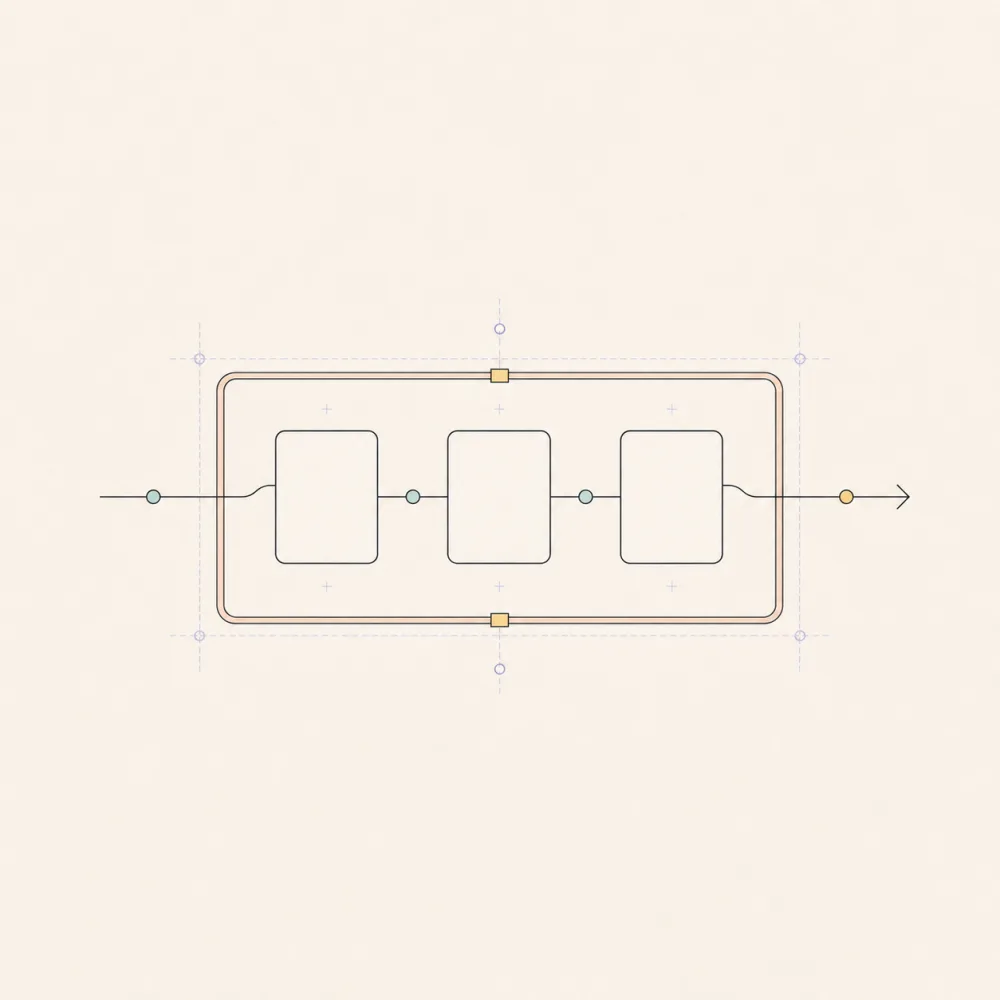
Illustrations from the Book书中插画
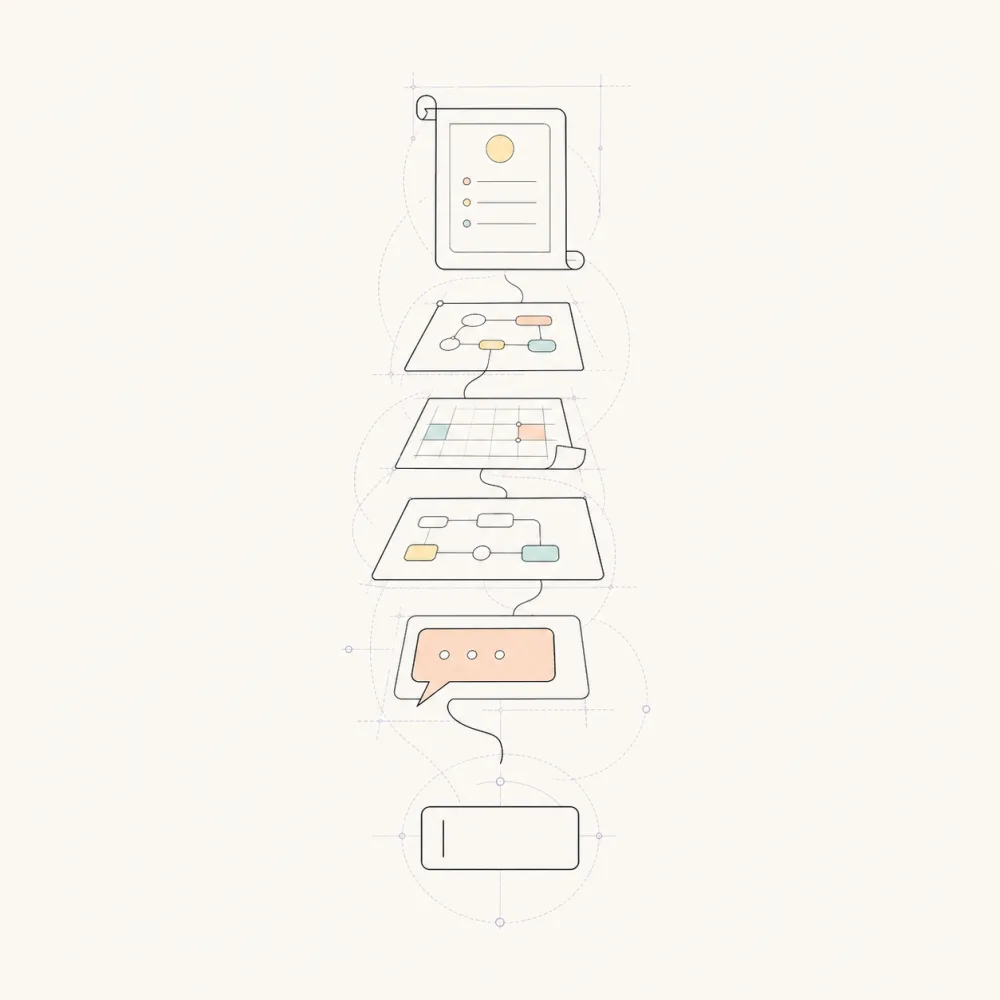
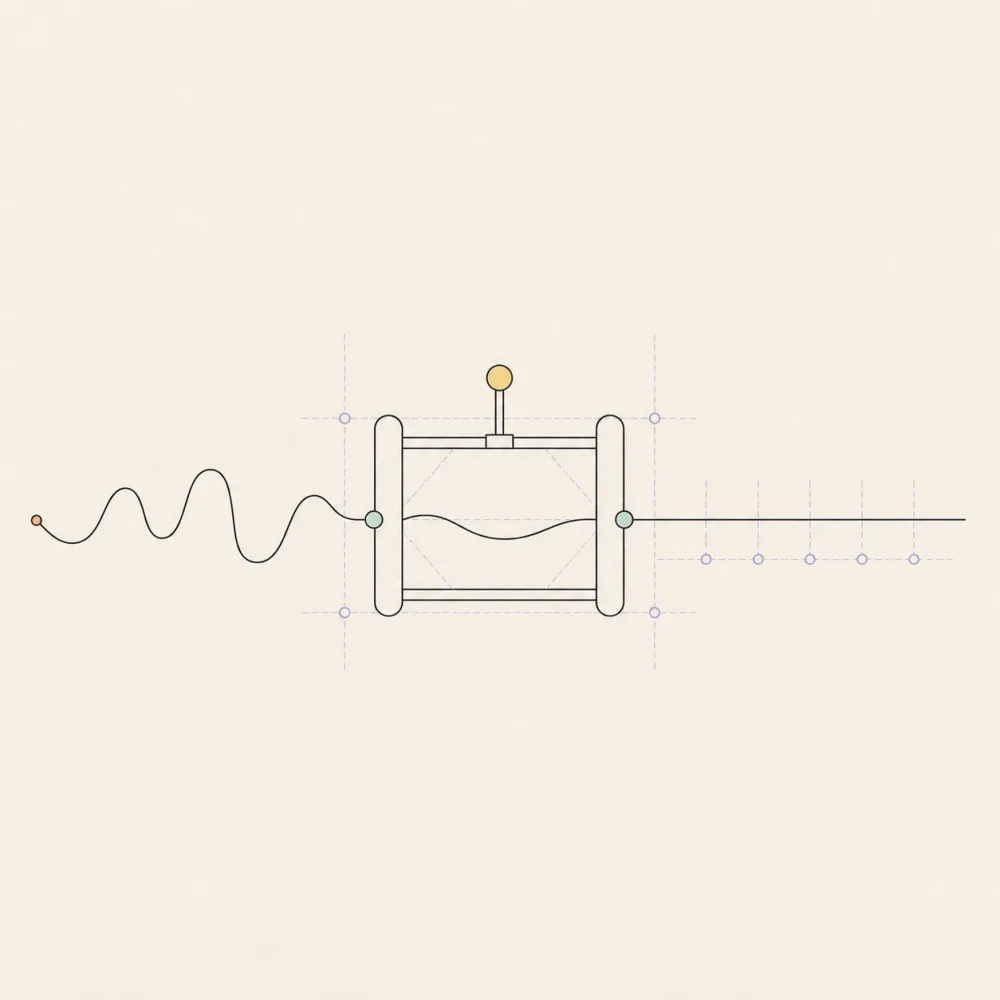
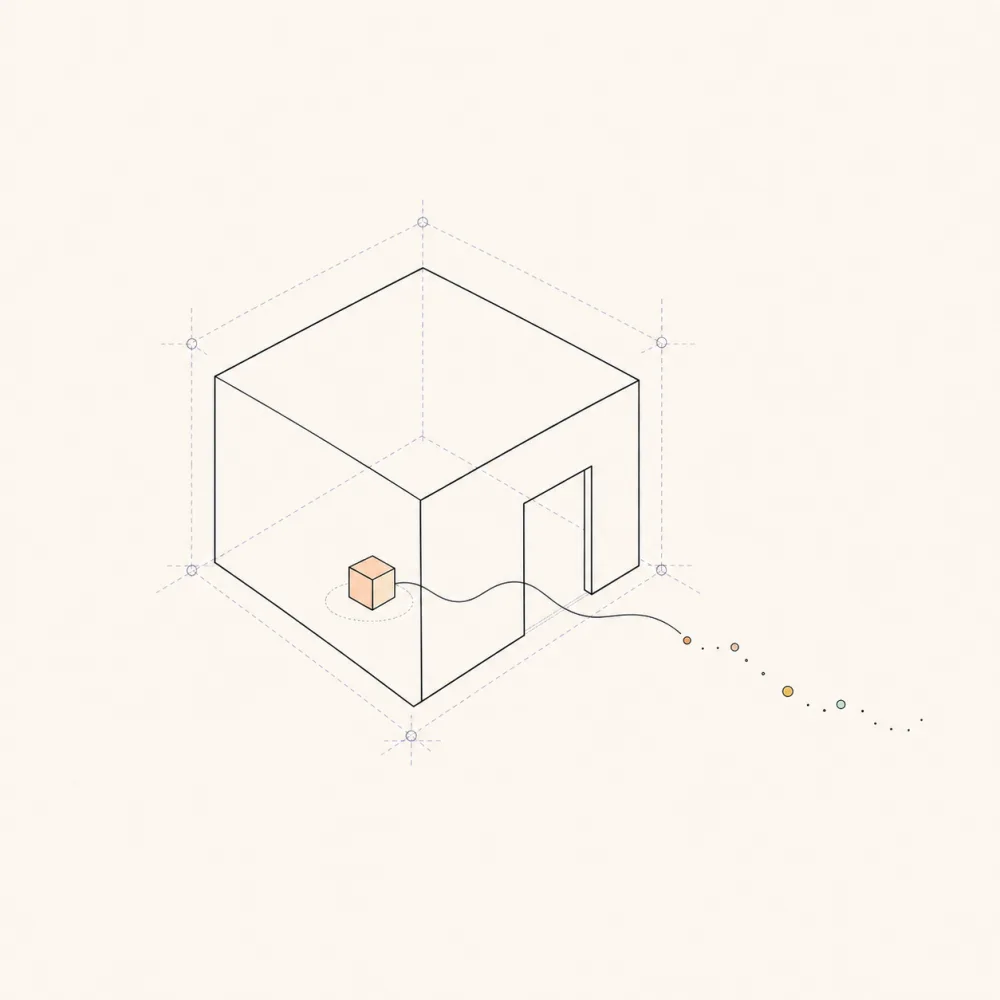
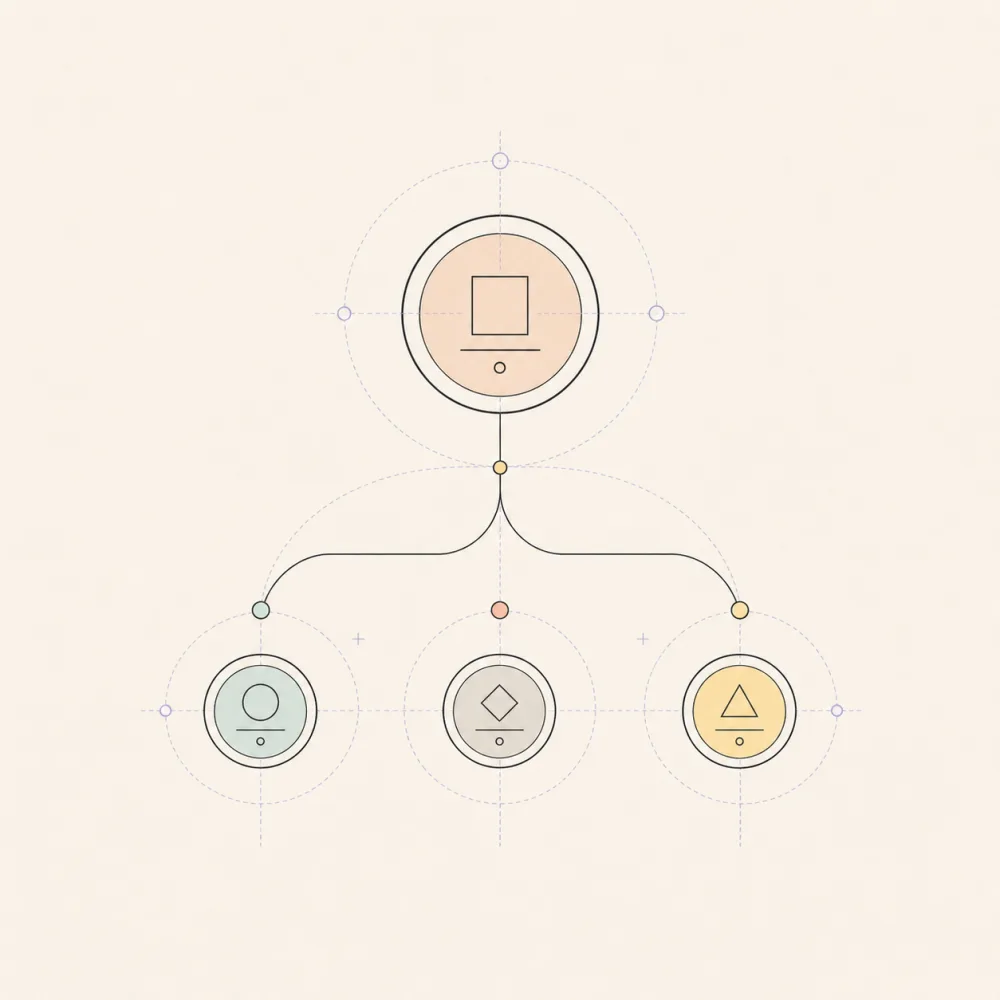
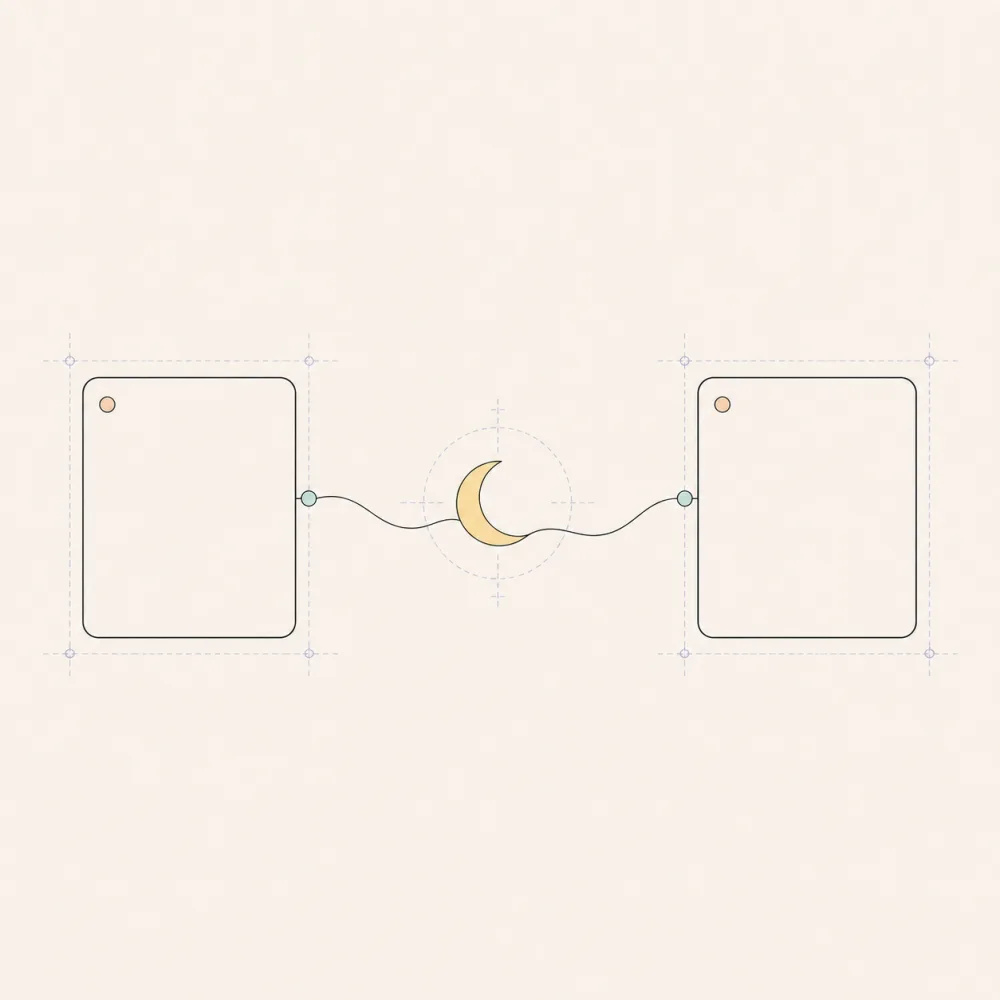
Contents目录
Full Table of Contents全书目录
The complete structure — front matter to back.完整的篇章结构——从前言到附录。
Part I第一部 · Chat: The Machine Talks Back对话:机器的回应
- Ch 1第一章 Five Days to a Million五日破百万
- Ch 2第二章 The Advisor in Your Pocket口袋里的顾问
Part II第二部 · Prompt: Learning to Speak Machine提示词:学说机器语言
- Ch 3第三章 The $335K Job Title三十三万五千美元的职位
- Ch 4第四章 When Memory Became a Product当记忆成为产品
- Ch 5第五章 Context Is All You Need上下文即一切
Part III第三部 · Workflow: Orchestrating the Swarm工作流:编排智能集群
- Ch 6第六章 The Multi-Agent Dream多智能体之梦
- Ch 7第七章 The Vibe Coder and the $50 Billion Editor氛围程序员与五百亿美元编辑器
- Ch 8第八章 From Vibes to Rigor从氛围到严谨
Part IV第四部 · Constitution: Designing the Designer宪法:为设计者立法
- Ch 9第九章 Why Agents Forget智能体为何遗忘
- Ch 10第十章 The CEO ModelCEO 模型
- Ch 11第十一章 The Session Lifecycle会话生命周期
- Ch 12第十二章 The MacroAlpha Workflow — A Constitution in Production宏观阿尔法工作流:生产中的宪法
- Ch 13第十三章 Your Turn轮到你了