 Leo
Leo
New · 2026新书 · 2026
The Modeling Mind建模心智
Reverse-Engineering the Mind That Runs You反向工程那个驱动你的心智系统
A user's manual for the machine between your ears — a reverse-engineering guide for the prediction engine that runs your perception, your emotions, your decisions, and your sense of self.一份专门针对你脑袋里那台机器的用户手册——对那台预测引擎的逆向工程指南。这台引擎主导着你的感知、情绪、决策与自我认知,通常在你不知情、也未经你同意的情况下默默运行。
Overview概述
About the Book关于本书
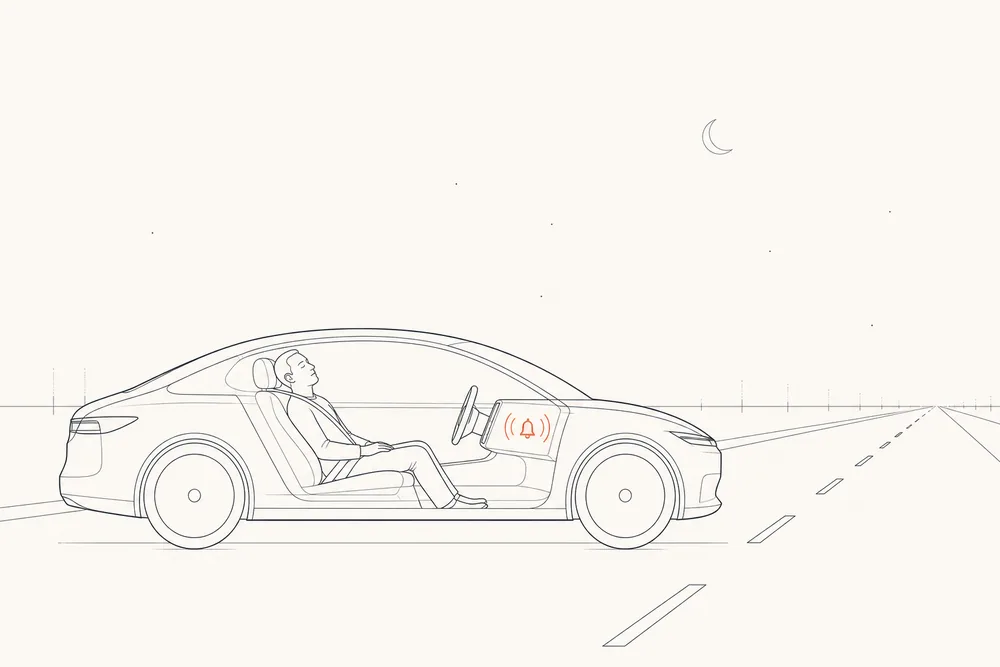
It's 2 a.m. and your mind won't stop. You catch yourself mid-loop — replaying a conversation, drafting tomorrow's meeting, worrying in the dark — and for half a second you notice the thoughts happening. Then the stream swallows you again. That half-second was the most important moment of your day, and you almost certainly missed it.凌晨两点,万籁俱寂,唯独你的念头停不下来。你抓住了自己正陷在某个循环里——反复咀嚼一场对话,预演明天的会议,在黑暗中担忧——有那么半秒钟,你觉察到了念头正在发生。然后洪流再次将你吞没。那半秒钟,才是你这一天里最要紧的时刻,而你几乎注定错过了它。
Most of us spend the majority of our waking lives on autopilot — not because we're lazy, but because the autopilot is so seamless that it feels exactly like us. It talks in our voice. It makes decisions that seem like ours. It generates emotions that register as authentic and real.我们清醒时的大部分时间,其实都在「自动驾驶」中度过——这不是因为懒惰,而是因为这套自动驾驶系统太完美了,完美到感觉就像是我们自己。它用我们的口吻说话,做出的决定像是出自本心,连产生的情绪都显得那么真切、私密、真实。
This is not a spiritual book. It is written by someone who spent years building and investing in artificial intelligence, and noticed something he couldn't unsee: the architecture of the mind and the architecture of the systems we build to mimic it are structurally the same.这不是一本灵性书籍。它出自一个多年从事人工智能研发与投资的人之手——直到某天,他发现了一件再也无法视而不见的事:人类心智的架构,与我们为模仿它而构建的系统架构,竟然如出一辙。不是修辞上的相似,而是结构上的同一。

Argument核心论点
What This Book Argues这本书主张什么
Your mind is a prediction engine — structurally identical to the large language models now reshaping every industry你的心智是一台预测引擎——其结构,与当下正重塑各行各业的大语言模型完全一致。
What you experience as "reality" is a layered rendering — the desktop icons, not the actual files你所体验到的「现实」,是一层层渲染出来的模型——是桌面图标,而非真正的文件。
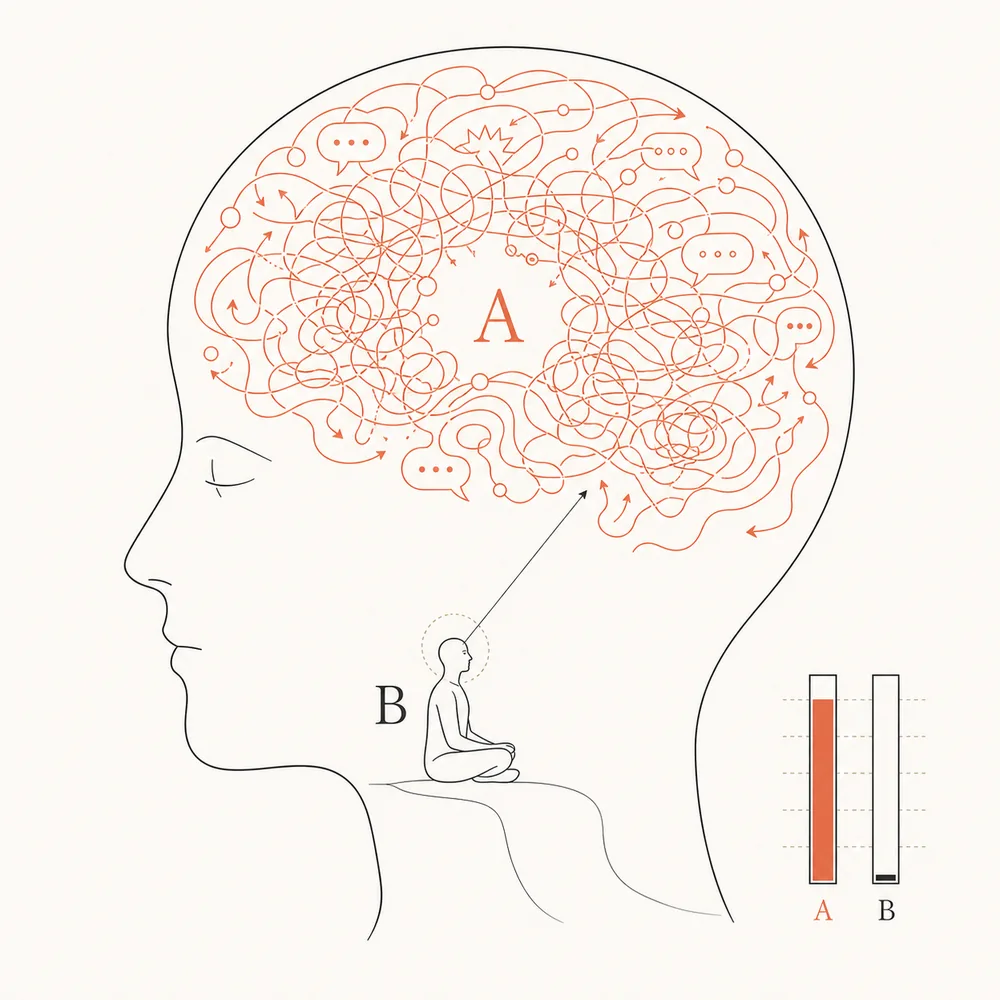
Two processes share your hardware: a narrator that never stops talking, and an observer that can silently watch it两个进程共用你的硬件:一个永不停嘴的叙事者,和一个能默默旁观它的观察者。
The first move isn't to fight the machine — it's to stop auto-saving every experience to your identity第一步不是对抗机器——而是停止把每一次体验都自动保存到你的「身份」里。
The deepest patterns that feel like "you" are legacy code, written decades ago by a child doing their best那些最深、感觉就是「你」的模式,其实是古老代码——几十年前由一个拼尽全力的孩子写下。
Observation itself is the rewriting tool: watching a pattern, without reacting, changes the pattern观察本身就是重写工具:看着一个模式而不加反应,模式便会改变。
Structure结构
Inside the Book书中内容
A single causal chain — each chapter builds on the one before it一条完整的因果链——每一章都建立在前一章之上。
Readers读者
Who This Book Is For这本书写给谁
Preface序言
Read the Preface先读序言
The book's full opening — in the author's own words, before you decide.全书开篇原文——作者的亲笔,供你下决定之前先读。
It's 2 a.m. and your mind won't stop.
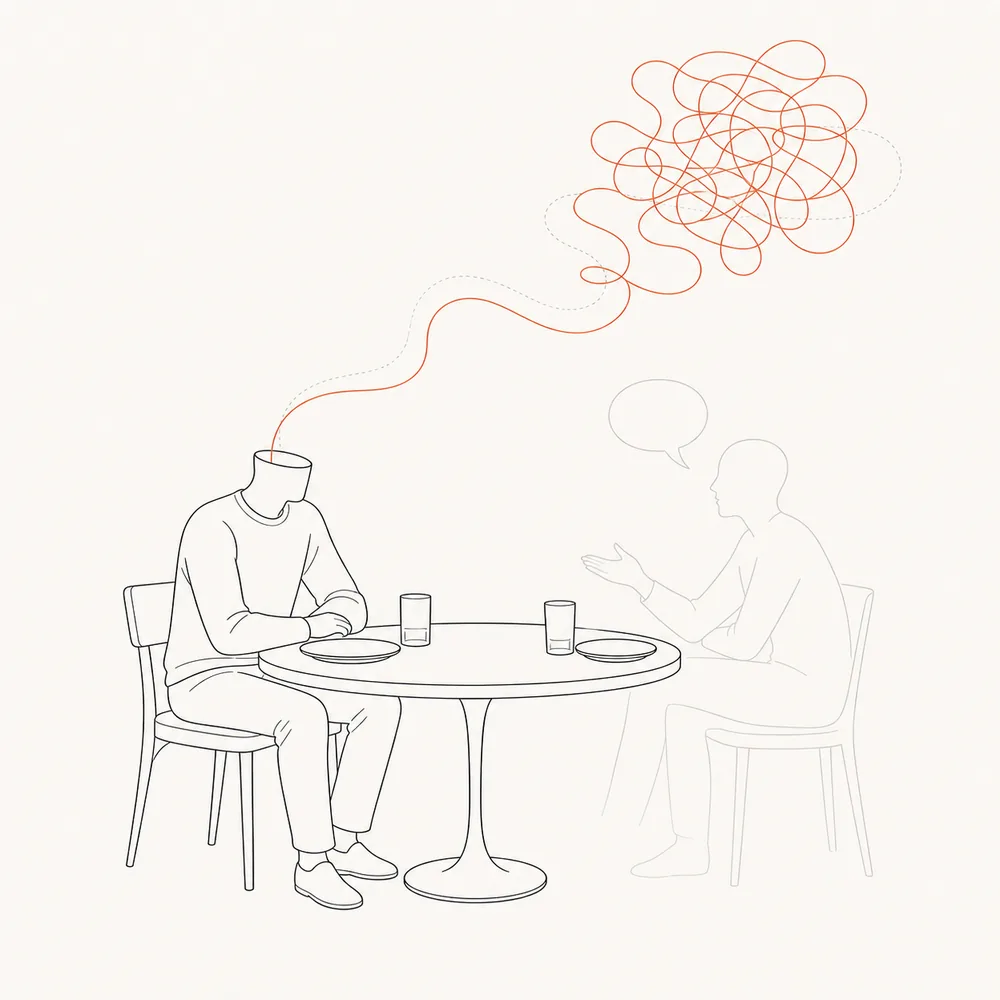
You're lying in bed. The room is dark, the house is quiet, and your body is tired enough that it should have surrendered to sleep an hour ago. But your mind didn't get the memo. It's replaying a conversation from Tuesday — the one where you said the wrong thing and watched someone's face change. It's drafting tomorrow's meeting in real time, running through scenarios like a chess engine that can't stop computing. It's wondering whether you locked the front door. Whether you paid the credit card. Whether your kid is okay — not in any specific way, just a low-grade ambient worry that hums beneath everything else like a refrigerator you've stopped noticing.
Then, for about half a second, something shifts. You notice the thoughts. Not the content of them — not the meeting or the door or the credit card — but the fact that they're happening. You catch yourself mid-loop, and for one disorienting moment you're not inside the stream of thought. You're watching it. You see the machinery churning, and you realize: I've been lying here for an hour, and I wasn't here for any of it. My body was in bed. My mind was everywhere else.
Then the stream swallows you again. The half-second passes, and you're back inside the simulation — worrying, rehearsing, replaying — as if that flicker of clarity never happened.
That half-second was the most important moment of your day. And you almost certainly missed it.
The Autopilot You Never Hired
Here's the uncomfortable truth this book is built around: most of us spend the majority of our waking lives on autopilot. Not because we're lazy or inattentive or somehow deficient. But because the autopilot is so good — so seamless, so responsive, so eerily competent — that it feels exactly like us. It talks in our voice. It makes decisions that seem like ours. It generates emotions that register as authentic and personal and real. There's no notification that says "autopilot engaged." No dashboard warning, no handoff moment. One second you're here, and the next you're gone, and neither you nor the machine notices the transition.
You might object: I'm functioning. I have a career, relationships, a life. Clearly I'm here. And you're right that you're functioning — that's precisely the problem. The autopilot handles functioning beautifully. What it doesn't do is experience. It processes, predicts, and reacts. But the part of you that can actually notice what's happening — the part that briefly woke up at 2 a.m. before the thought-stream pulled it back under — that part is offline most of the time. The lights are on. The house is empty.
This book is about changing that.
What This Book Is (and What It Isn't)
I want to be upfront about what you're holding. This is not a spiritual book. It's not a religious text, a meditation manual, or a guide to enlightenment. If a concept in these pages can't be explained in engineering terms — using the same logic you'd use to debug a system, reverse-engineer a black box, or audit a piece of code — I'll say so honestly. Including when I'm using analogy rather than physics.
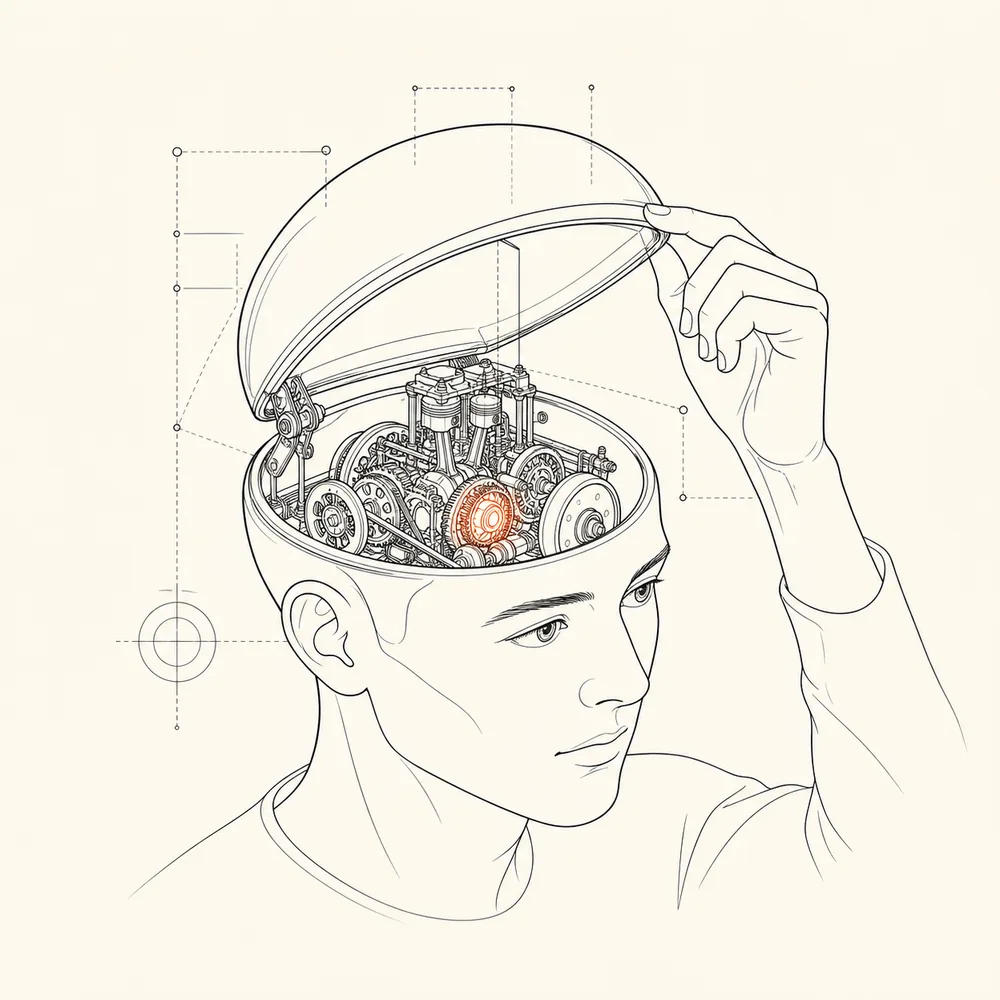
What this book is is a user's manual for the machine between your ears. A reverse-engineering guide for the prediction engine that runs your perception, your emotions, your decisions, and your sense of self — usually without your knowledge and almost always without your consent.
I'm writing it because I spent years building and investing in artificial intelligence, and at some point I noticed something that changed how I see everything: the architecture of the mind and the architecture of the systems we're building to mimic it are structurally the same. Not metaphorically similar. Structurally identical in ways that, once you see them, you can't unsee. That structural parallel turns out to be one of the most powerful lenses available for understanding why your mind does what it does — and how to take the controls back from a system that was never designed to be supervised.
The Journey Ahead
The book follows a single causal chain, and each chapter builds on the one before it.
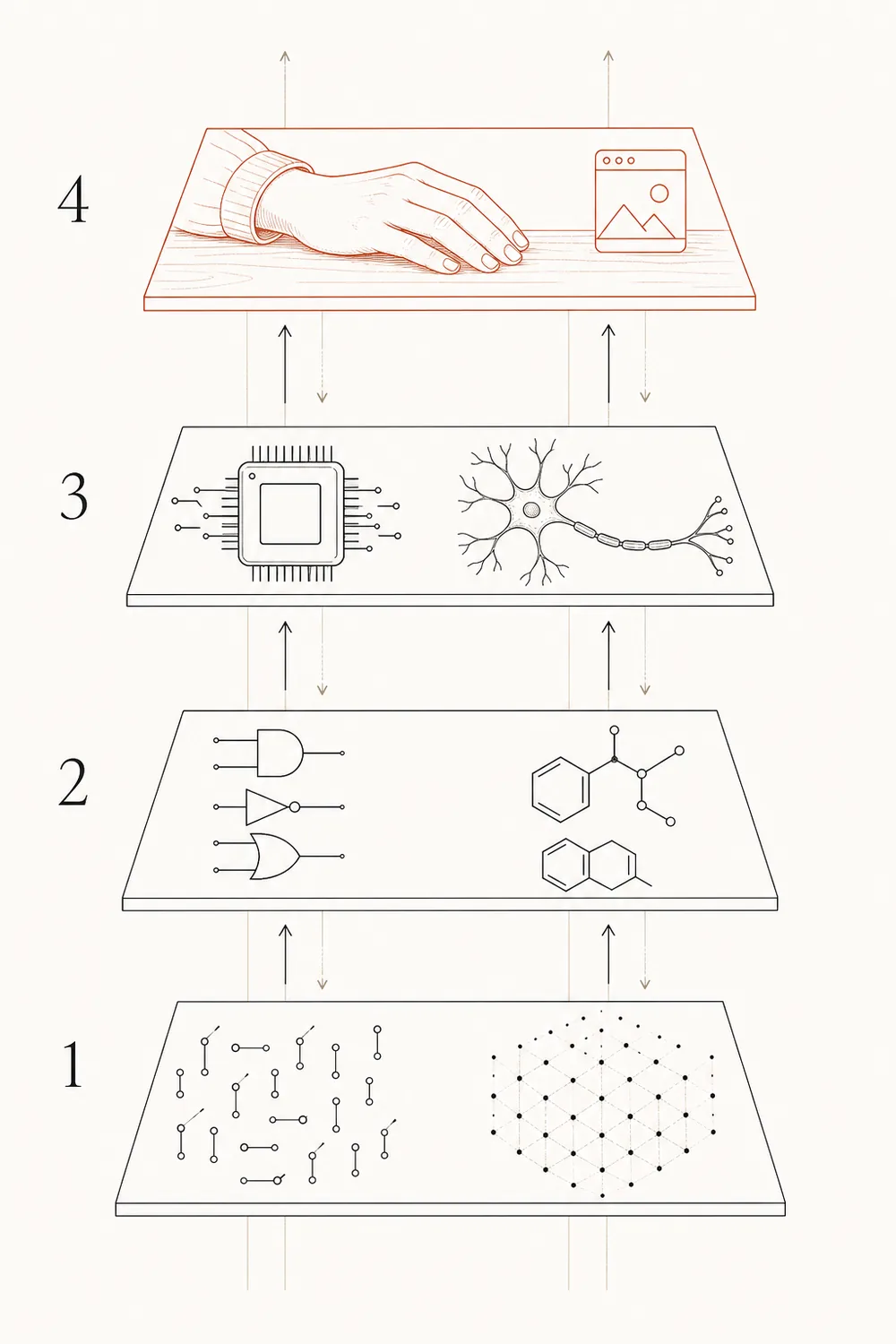
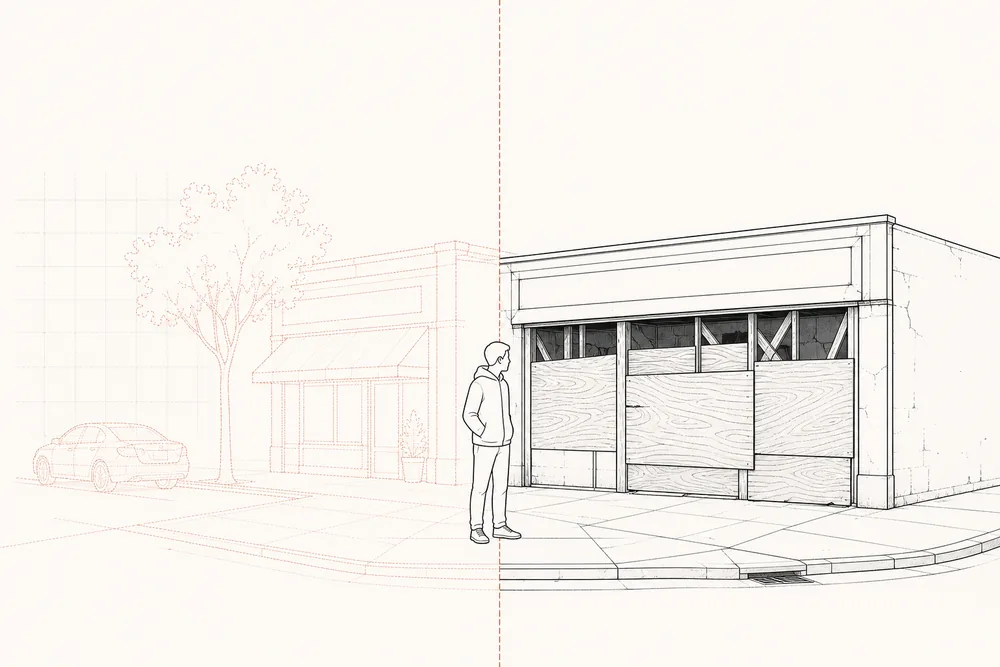
Chapters 1 through 3 diagnose the machine. You'll see that you've been running on autopilot (Chapter 1), learn what the autopilot actually is — a prediction engine structurally identical to the large language models now reshaping every industry (Chapter 2), and understand what it builds: a layered rendering of reality that you've been mistaking for reality itself, the way a computer user mistakes the desktop icons for the actual files (Chapter 3).
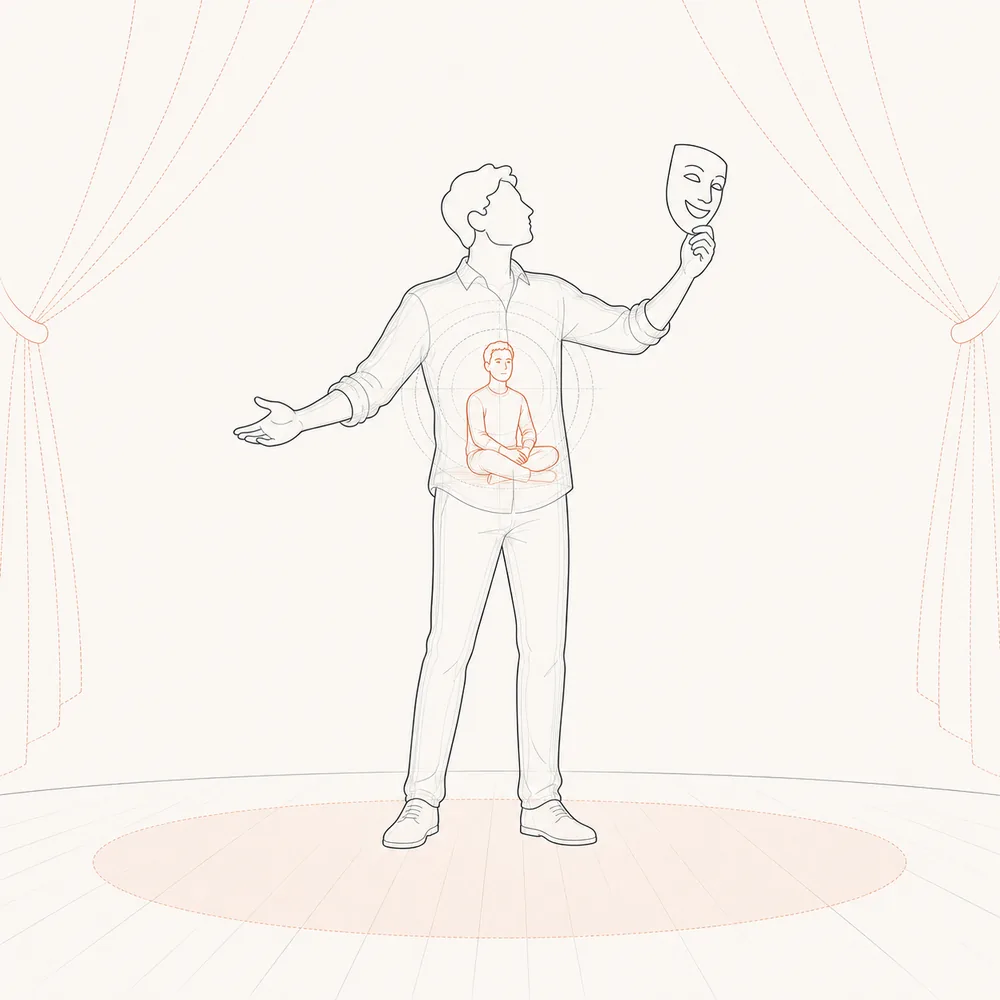
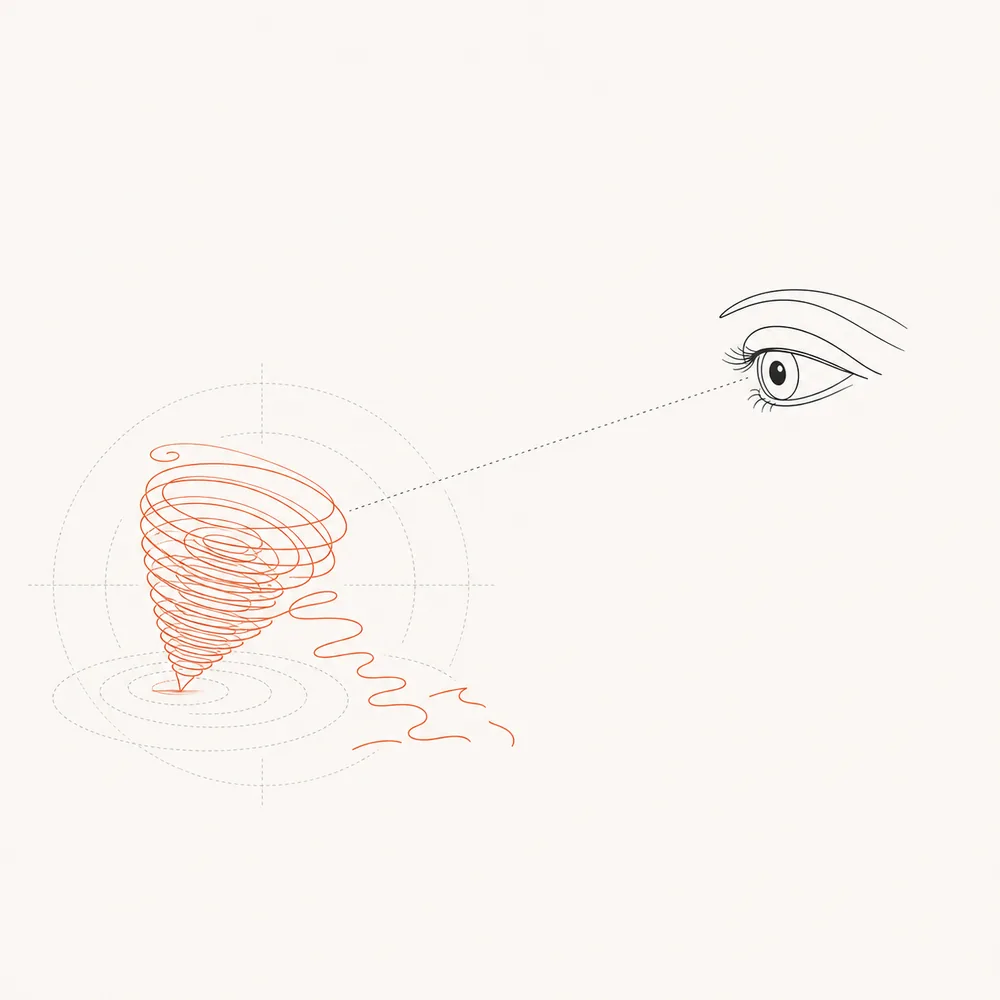
Chapters 4 through 6 reveal who's been driving. You'll meet the two processes running on your hardware — the narrator that generates the constant stream of thoughts you call "me," and the observer that can silently witness the whole show (Chapter 4). You'll see what happens when the observer goes completely offline — a state I call NPC mode, where the autopilot runs your entire life and you never notice (Chapter 5). And you'll learn why people with the observer online don't look any different from the outside — they still laugh, cry, get angry, and make mistakes; the difference is entirely internal (Chapter 6).
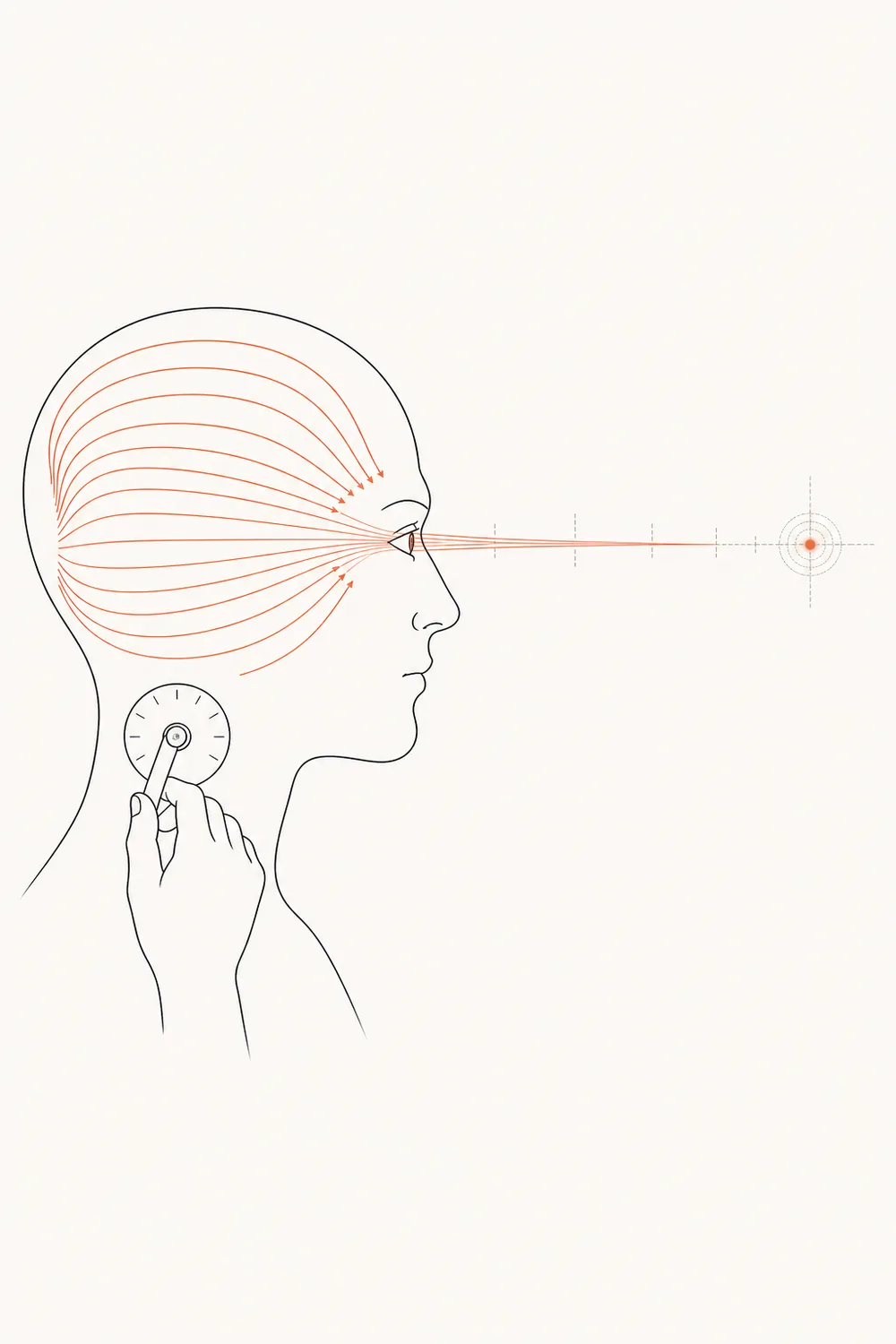
Chapters 7 through 9 are the intervention manual. The first move of the awakened observer is not to fight the machine, but to change one setting: stop auto-saving every emotional experience to your identity's hard drive (Chapter 7). Then you'll confront the deepest items in that cache — the childhood subroutines that feel like personality but are really just legacy code written by a five-year-old's survival strategy (Chapter 8). Finally, you'll discover that observation itself is the rewriting tool — that the act of watching an automated pattern, without reacting, changes the pattern (Chapter 9).
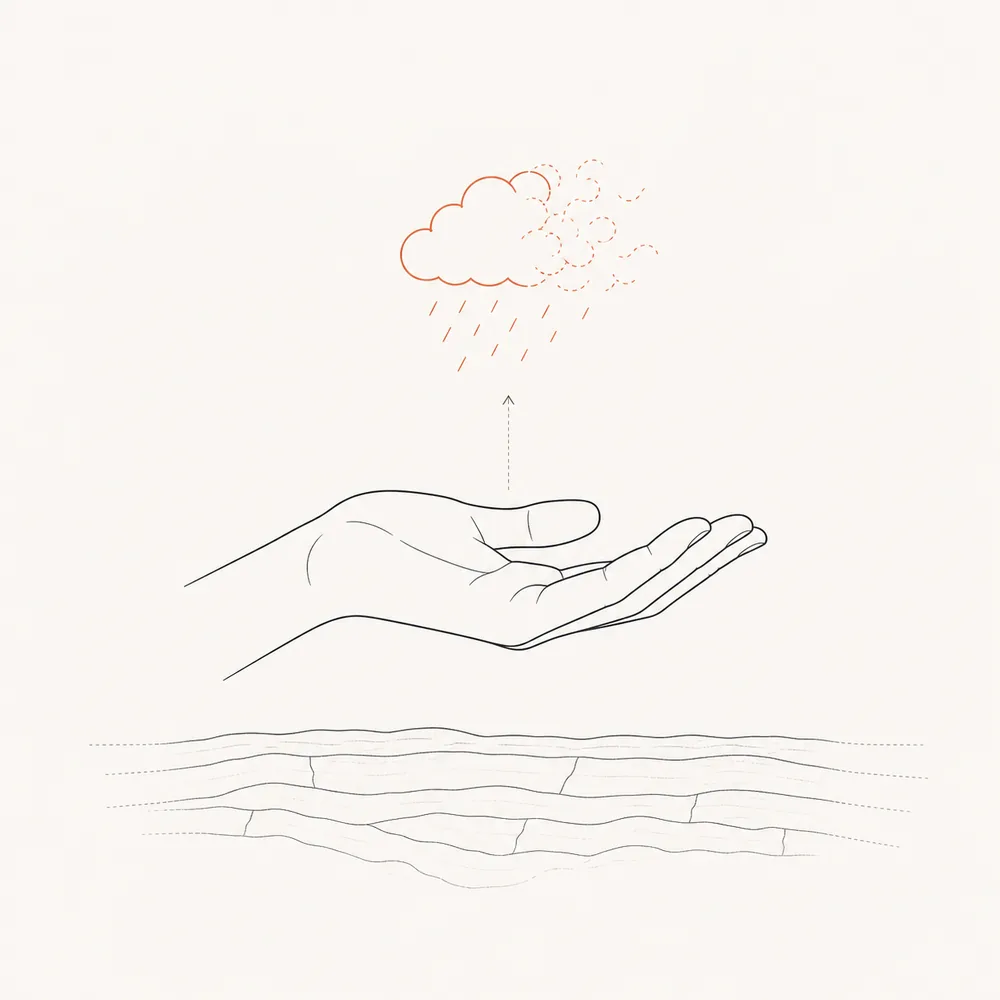
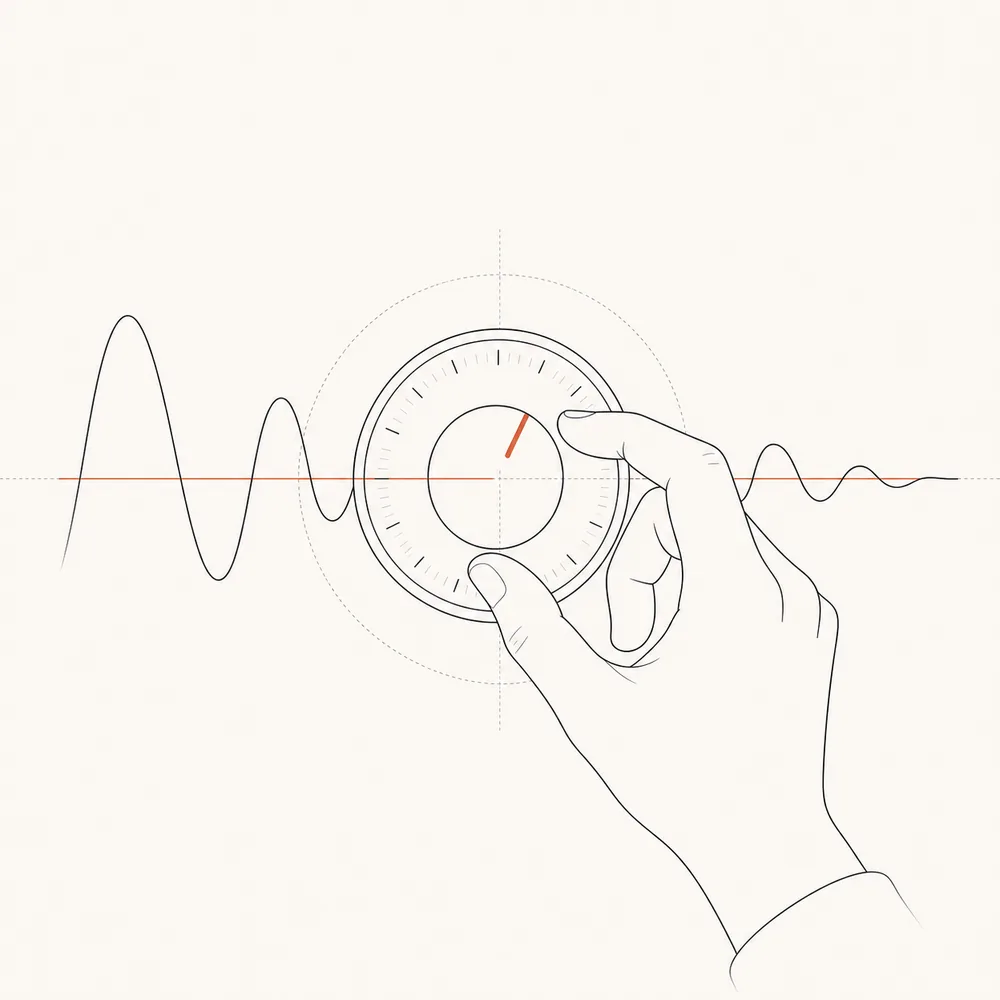
Chapters 10 and 11 show what changes when you stay awake. Your life outcomes orbit a behavioral set-point, like a thermostat that keeps pulling you back to a default temperature; the cumulative effect of rewriting legacy code is that the thermostat itself adjusts (Chapter 10). And the final question — the one the whole book builds toward — is: now that you can steer the engine, what do you point it at (Chapter 11)?
How to Read This Book
Each chapter is designed to be self-contained, but the logic builds. If you skip ahead, you'll understand the words but miss the mechanism underneath them — like reading a user's manual starting from "Advanced Settings" without knowing what the buttons do.
You'll find a Protocol box at the end of each chapter. These aren't decorative. They're designed to be practiced, not just read. The difference between understanding these ideas and experiencing them is the difference between reading about swimming and getting in the water. I've kept them simple enough to do on a commute, in a meeting, or lying in bed at 2 a.m. when the machine won't stop.
Science citations throughout the book are real papers by real researchers — not intellectual decoration. If something interests you, follow up. The references are there because I believe you deserve to check my claims, not just trust them.
And when you see the symbol (≈), it means I'm using an analogy. Not making a physics claim. Not asserting equivalence. Just saying: this thing over here works like that thing over there, and seeing the structural parallel will help you understand both. I'll be honest about where analogy ends and hand-waving begins — including the moments where the analogy is so elegant it might be fooling both of us.
One Last Thing Before We Start
You don't need to believe anything to read this book. You don't need a meditation practice, a spiritual framework, or a particular worldview. You just need to be willing to look — carefully, honestly, with the same curiosity you'd bring to any system you wanted to understand.
The machine is already running. It's been running your entire life. The only question is whether you want to see it.
Let's open the hood.
凌晨两点,万籁俱寂,唯独你的念头停不下来。
人躺在床上,屋里漆黑一片,身体早已疲惫不堪,本该在一个小时前就沉沉睡去。可脑子偏偏不肯罢休。它还在反复咀嚼周二那场对话——你说错了一句话,眼睁睁看着对方脸色沉下去。它又在实时预演明天的会议,像一台不知疲倦的棋局引擎,推演着无数种可能。它还在纠结:大门锁了吗?信用卡还了吗?孩子没事吧?也说不出具体担心什么,就是有种挥之不去的隐忧,像冰箱运转的低频嗡鸣,平时注意不到,此刻却震耳欲聋。
忽然,有那么半秒钟,事情起了变化。
你觉察到了念头本身。不是念头里的内容——不是会议,不是门锁,也不是信用卡——而是“正在起心动念”这件事。你截断了那个死循环,在那一瞬间的恍惚里,你不再被思绪裹挟,而是站在了岸边。你看着那台机器轰鸣运转,猛然惊醒:我已经在这躺了一个钟头,却压根不在这里。身子在床上,魂早就飞到了九霄云外。
转瞬之间,洪流再次将你吞没。那半秒钟稍纵即逝,你又跌回了模拟世界,继续焦虑、彩排、反刍,仿佛刚才那一刹那的清明从未发生过。
可那半秒钟,才是你这一天里最要紧的时刻。而你多半错过了它。
你没雇过的自动驾驶
这本书想讲一个让人不太舒服的真相:我们清醒时的大部分时间,其实都在“自动驾驶”中度过。这不是因为懒惰、走神,或者有什么缺陷。恰恰相反,是因为这套自动驾驶系统太完美了。它无缝衔接,反应灵敏,能力强得惊人,以至于感觉就像是我们自己。它用我们的口吻说话,做出的决定像是出自本心,连产生的情绪都显得那么真切、私密、真实。
从来没有哪个弹窗提示“自动驾驶已开启”,没有仪表盘警报,也没有交接仪式。上一秒你还在,下一秒就消失了,无论是你还是那台机器,都没察觉到这次切换。
你或许会反驳:我在正常生活啊。有事业,有关系,有人生,我明明就在场。
没错,你确实在“运作”,但这正是问题所在。自动驾驶最擅长的就是维持运作,但它不会“体验”。它只会处理信息、预测未来、做出反应。而你内在那个真正能“觉察”当下的部分——那个在凌晨两点短暂苏醒、又被思绪洪流拖回水底的部分——绝大多数时候都是离线的。灯亮着,屋子里却没人。
这本书,就是为了改变这种状况。
这本书是什么,不是什么
有些话得说在前头。这不是一本灵性书籍,不是宗教典籍,不是冥想手册,也不是开悟指南。如果书里哪个概念没法用工程语言解释清楚——比如调试系统、逆向破解黑箱、审计代码时用的那种逻辑——我会坦白承认,哪怕只是在打比方,而非陈述物理事实。
这本书其实是一份用户手册,专门针对你脑袋里那台机器。它是对那台预测引擎的逆向工程指南。这台引擎主导着你的感知、情绪、决策和自我认知,通常在你不知情、也未经你同意的情况下默默运行。
我写这本书,是因为多年从事人工智能研发与投资,直到某天发现了一件颠覆认知的事:人类心智的架构,与我们正在构建的 AI 系统架构,竟然如出一辙。不是修辞上的相似,而是结构上的同一。一旦看穿这一点,就再也无法视而不见。这种结构上的对应,恰恰为我们理解心智运作提供了最有力的视角,也让我们有机会从一个从未设计过监管机制的系统手中,重新夺回控制权。
接下来的路
全书沿着一条因果链展开,环环相扣。
第一至三章是“机器诊断”。你会发现自己一直处在自动驾驶状态(第一章);了解这套系统的真面目——一个预测引擎,其结构与当下重塑各行各业的大语言模型完全一致(第二章);明白它所构建的东西:一层层渲染出来的现实,而你误把它当成了现实本身,就像电脑用户错把桌面图标当成了文件实体(第三章)。
第四至六章揭示“谁在开车”。你会认识运行在你硬件上的两个进程:一个是叙事者,制造出你称之为“我”的连绵思绪;一个是观察者,能默默见证这一切(第四章)。你会看到观察者彻底离线时会发生什么——我称之为 NPC 模式,自动驾驶接管了你的全部人生,而你浑然不觉(第五章)。你也会明白,为什么那些观察者在线的人,从外表看并无不同,他们照样笑、哭、生气、犯错,区别全在内在(第六章)。
第七至九章是“干预手册”。觉醒的观察者迈出的第一步,不是对抗机器,而是更改一项设置:不再把每一次情绪体验自动保存到“身份”这块硬盘里(第七章)。接着,你要直面缓存里最深层的东西——那些童年子程序,感觉像是性格,实则只是五岁孩童为了生存写下的古老代码(第八章)。最后你会发现,观察本身就是重写工具:只要看着那些自动化模式而不加反应,模式本身就会改变(第九章)。
第十至十一章展现“保持清醒后的变化”。你的人生结果总是围绕着某个行为设定点打转,就像恒温器总把你拉回默认温度;而不断重写古老代码的累积效应,就是让恒温器本身的设定发生偏移(第十章)。全书最终指向一个问题:既然你能掌控这台引擎了,你要把它导向何方(第十一章)?
怎么读这本书
每一章都可以独立成篇,但内在逻辑是递进的。如果跳着读,字面意思能懂,却会错过底层的机制,就像读说明书直接翻到“高级设置”,却不知道按钮是干什么的。
每章末尾都有一个“实操协议”。这不是摆设,是用来练的,不是用来读的。理解这些理念和亲身体验它们,就像读游泳教程和跳进水里的区别。我把这些练习设计得足够简单,通勤时、开会时,甚至凌晨两点躺在床上机器停不下来时,都能做。
书中引用的科学文献都是真实研究者的真实论文,绝非装点门面。如果你对某处感兴趣,不妨顺藤摸瓜去查证。列出参考文献,是因为我觉得你有权利核实我的说法,而不是盲目轻信。
当你看到“≈”这个符号,意味着我在打比方。不是在陈述物理定律,也不是断言两者等同。只是说:这边的东西运作起来像那边的东西,看清这种结构上的对应,有助于理解双方。我会坦诚指出比喻的边界在哪里,哪里开始变成了模糊的类比——哪怕那个比喻精妙得可能连我们自己都骗过去了。
启程前最后一句
读这本书,不需要你相信任何东西。不需要冥想基础,不需要灵性框架,也不需要特定的世界观。你只需要愿意去看——仔细地、诚实地,带着理解任何系统时都会有的那份好奇心。
那台机器已经在运转了。它跑了你整整一辈子。唯一的问题是:你想不想看清它。
那就掀开引擎盖吧。
Open the Hood揭开引擎盖
The machine is already running. It's been running your entire life. The only question is whether you want to see it.机器已经在运转了。它运转了你这一辈子。唯一的问题是:你想不想看见它。
 Outlier Investor投资异类
 Gallery画廊
Illustrations from the Book书中插画
Contents目录
Full Table of Contents全书目录
The complete structure — front matter to back.完整的篇章结构——从引言到附录。
Part I第一部 · Diagnose the Machine诊断这台机器
- Ch 1第一章 You've Probably Never Been Here你大概从未真正在场
- Ch 2第二章 The Modeling Engine: What You and AI Have in Common建模引擎:你与人工智能的共同底色
- Ch 3第三章 The Layered World: From Logic Gates to the Reality You See层叠的世界:从逻辑门到你眼前的现实
Part II第二部 · Reveal Who's Driving揭示谁在开车
- Ch 4第四章 Two Voices in the Room一室二声
- Ch 5第五章 The Driver Fell Asleep司机睡着了
- Ch 6第六章 Why You Can't Spot the Awake Ones为何你认不出觉醒者
Part III第三部 · The Intervention Manual干预手册
- Ch 7第七章 The Art of Letting Go: Don't Clear the Cache — Just Stop Saving to It放下的艺术:别清缓存,只是别再写入
- Ch 8第八章 Legacy Code: The Childhood Subroutines You Mistook for Personality遗留代码:被你误认为性格的童年程序
- Ch 9第九章 Observation Is Intervention: How Watching Rewrites the Code观察即干预:注视如何改写代码
Part IV第四部 · Stay Awake保持清醒
- Ch 10第十章 Your Script, Your Balance你的剧本,你的平衡
- Ch 11第十一章 The Highest Objective Function至高的目标函数